Selecting the Perfect Dumpster for Your Needs
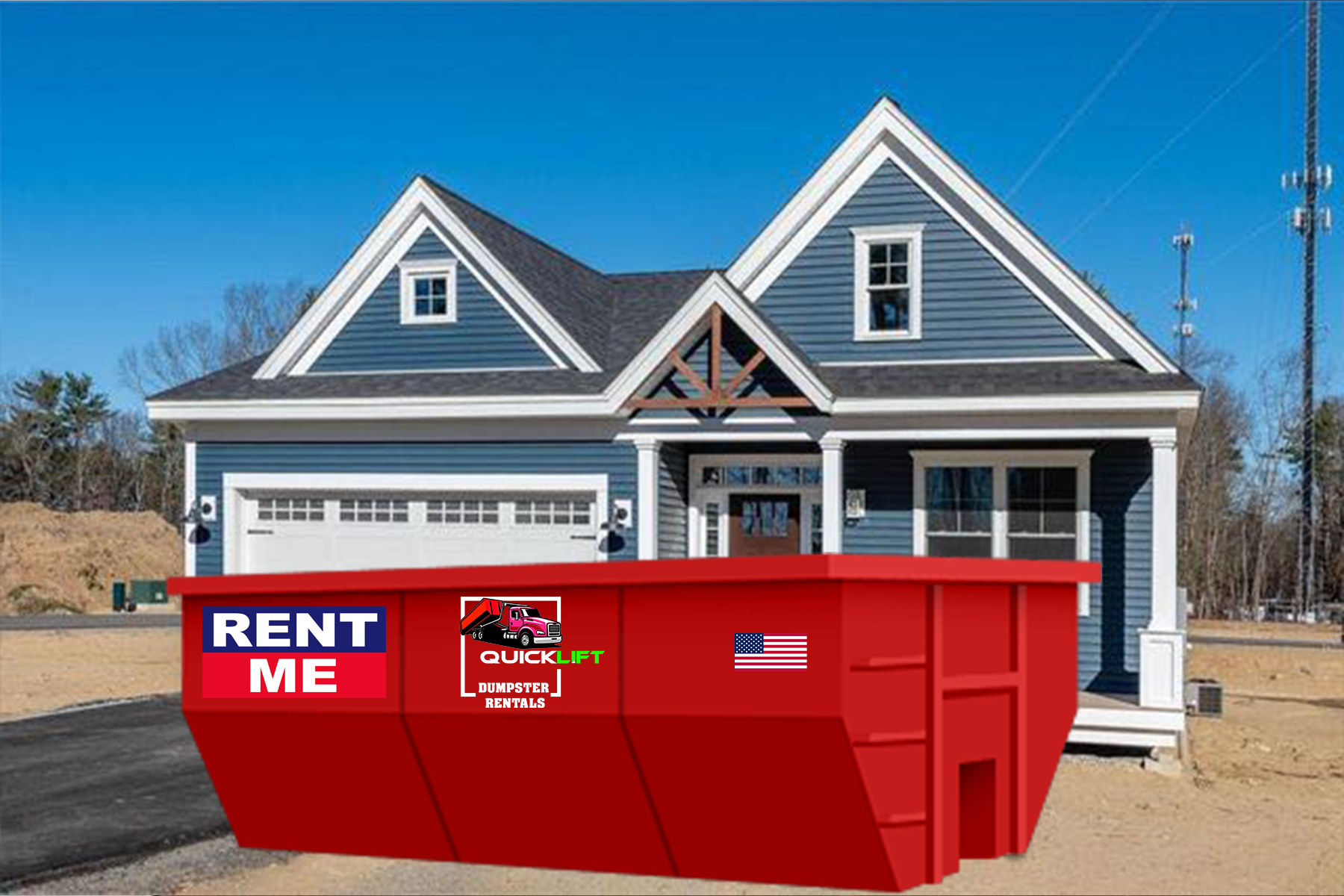
Managing waste efficiently is essential for any project, whether you are renovating a home, organizing a large cleanup, or handling construction debris. Choosing the right dumpster can simplify the process, save time, and ensure responsible debris handling. At QuickLift Dumpster Rentals, we understand the importance of selecting a dumpster that fits your project. In this guide, we will cover all the steps to ensure a smooth dumpster rental experience.
Identifying Project Requirements
Before renting a dumpster, it is essential to evaluate your project’s size and waste type. Consider the materials you will be disposing of, such as everyday debris, construction debris, or large unwanted objects. Identifying the volume of waste helps determine the size and type of dumpster required. Careful planning prevents unnecessary delays and overfilling.
Different projects create unique disposal needs, and thinking ahead keeps your project on schedule. For example, a home renovation may produce dense materials, whereas a house declutter may generate lighter, bulkier items. Taking the time to evaluate your project helps avoid overfilling or underutilizing the dumpster. Proper planning also ensures safe placement and easy access for disposal.
Choosing the Right Container Size
Selecting the right size ensures smooth waste management. A dumpster that is too small may require multiple trips, while one that is too large can be unnecessary and difficult to handle. Start by calculating the approximate volume of your waste and how quickly it will accumulate. This allows you to select a dumpster that accommodates your project without interruptions.
Many renters overlook how different waste types impact space requirements. Heavier materials like concrete or dirt take up less room but weigh more, while lighter items such as wood or cardboard occupy more space. Choosing the right size ensures safety, convenience, and effective waste management. Proper size estimation also reduces the risk of overfilling or requiring additional rentals.
Understanding What You’re Disposing
Waste type affects how you manage disposal to follow regulations and best practices. Determine what types of waste your project will generate. Understanding these categories allows you to select a suitable dumpster. Sorting waste correctly promotes safe handling and environmental compliance.
Proper segregation also facilitates recycling and responsible waste management. Certain items require special handling. By planning ahead, you can streamline cleanup and support sustainability. We provide guidance on identifying and handling various waste types effectively.
Planning Dumpster Placement
Proper placement of a dumpster is key to convenience and safety. Ensure the dumpster can be reached easily by the delivery truck, and leave room for safe and easy dumping. Planning placement in advance prevents delays. Prioritize stability and clear access.
Consider the surface where the dumpster will sit to prevent damage. Avoid slopes or soft ground. Keep space around the container for quick access and safety. Correct positioning helps the project remain organized and safe.
Scheduling Delivery and Pickup
Coordinating delivery and pickup times ensures that the dumpster is available when needed. Plan these schedules around your project timeline. Proper timing keeps your site organized and avoids downtime. QuickLift Dumpster Rentals works closely with clients to provide flexible scheduling.
Proper timing also allows you to avoid clutter and maintain a safe work here environment. Getting the container when you need it prevents interruptions. Coordinated delivery and pickup enhance overall project efficiency. Communicating your needs clearly helps streamline the process.
Safety Considerations
Safety is a critical aspect of dumpster use. Lift with care and proper techniques, and follow proper protocols for dangerous waste. Avoid filling beyond capacity, which can be hazardous. Observing safety protocols protects both workers and the environment.
It is also important to secure the dumpster when not in use. Gloves, masks, and proper gear are recommended. Prioritizing safety ensures cleanup proceeds efficiently. We provide guidance to support safe and responsible usage.
Eco-Friendly Waste Management
Eco-conscious waste handling improves efficiency and sustainability. Recycling materials when possible and separating waste helps reduce landfill contributions. Being mindful of disposal practices promotes sustainability. Proper planning supports long-term environmental responsibility.
Safe disposal keeps neighborhoods clean and safe. By adhering to disposal guidelines, projects minimize pollution and contribute to a cleaner environment. QuickLift Dumpster Rentals emphasizes responsible practices in every service. This approach helps clients manage waste efficiently and ethically.
Maximizing Productivity with Proper Planning
Planning dumpster placement improves efficiency. Knowing the dumpster’s location, capacity, and schedule allows smoother workflows. Strategic planning reduces downtime and keeps the project organized. Coordinate closely with QuickLift Dumpster Rentals for best results.
Keep track of how quickly the dumpster fills. Adjustments can be made proactively if additional disposal needs arise. Proper oversight keeps the site safe and productive. We aim to provide solutions that keep projects running smoothly.
Getting the Most From Your Dumpster Rental
Choosing the right dumpster involves careful planning, size estimation, and awareness of waste types. Location, timing, and adherence to guidelines matter just as much. Combining all elements ensures efficient, safe, and responsible waste handling. Following best practices benefits both your project and the planet. The team at QuickLift Dumpster Rentals provides expert support for safe and efficient disposal.
Effective waste management also requires ongoing monitoring throughout the project. Check fill levels and order additional pickups if necessary. Clear communication avoids mishaps and improves workflow. By staying proactive, you can maintain efficiency and support a smooth, uninterrupted workflow from start to finish.